
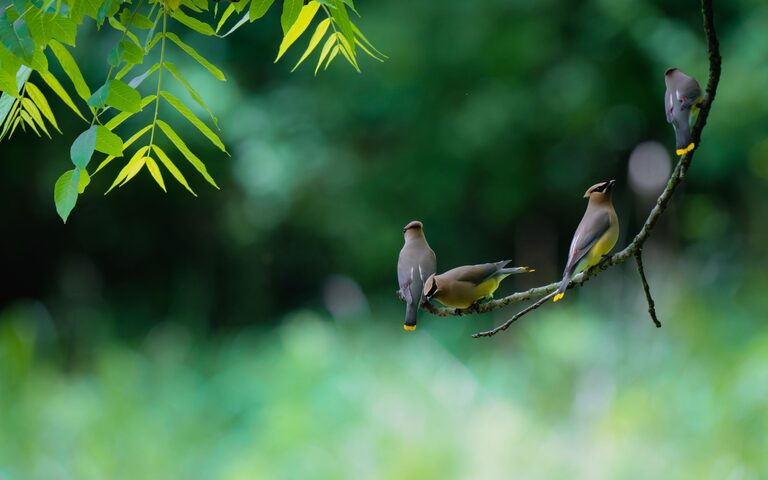
Birdwatching is a wonderful way to connect with nature, relax, and learn more about the wildlife around us. You don’t have to travel far to enjoy this hobby—your own backyard can become a vibrant birdwatching spot. If you’re new to birdwatching, these beginner tips will help you get started and make the most of your outdoor space.
Why Choose Backyard Birdwatching?
Birdwatching at home offers several benefits. It’s convenient, cost-effective, and can be enjoyed year-round. Plus, it gives you a chance to observe birds’ natural behaviors up close. Over time, you might notice seasonal changes and different species visiting your yard.
Getting Started: What You Need
You don’t need fancy equipment to begin. Here are some basics to help you start:
– Binoculars: While optional, a pair of binoculars makes it easier to see birds clearly, especially smaller or more distant species.
– Bird Guide or App: A field guidebook or a mobile app can help you identify birds and learn about their habits.
– Notebook or Journal: Recording your sightings is a fun way to track what you see and notice patterns.
– Bird Feeders and Food: Attract birds with feeders filled with the right food for your local species.
– Water Source: A birdbath or shallow dish of water will draw birds in for drinking and bathing.
Setting Up Your Backyard for Birdwatching
Choose the Right Spot for Feeders
Place your bird feeders where you can easily observe them from inside your home or a comfortable outdoor spot. Preferably, select a location that offers some nearby cover such as bushes or trees where birds can hide if needed.
Provide Variety in Food
Different birds prefer different foods. Consider including:
– Black-oil sunflower seeds: popular with many songbirds.
– Nyjer (thistle) seeds: favored by finches.
– Suet cakes: attract woodpeckers and insect-eating birds.
– Fruit or mealworms: loved by certain species like robins.
Changing up the food can bring a wider variety of birds.
Add Native Plants
Planting native trees, shrubs, and flowers provides natural food sources like berries and attracts insects for birds to eat. Native plants also offer shelter and nesting places.
Include Water Features
Birds need fresh water for drinking and bathing. If you don’t have a birdbath, a shallow container filled with water works well. Be sure to refresh it regularly to keep the water clean.
Observing and Identifying Birds
Learn Common Local Species
Start by familiarizing yourself with common birds in your area. Use a guidebook or app to look at pictures and listen to bird calls.
Watch Bird Behavior
Notice how birds behave—feeding styles, flight patterns, and calls can all help with identification. For example, woodpeckers tap on tree trunks while sparrows hop on the ground.
Be Patient and Quiet
Birds are sensitive to noise and movement. Find a quiet spot where you can watch without disturbing them. Patience often pays off with rewarding sightings.
Tips for Ethical Birdwatching
– Avoid disturbing nests or young birds.
– Use feeders responsibly, cleaning them regularly to prevent disease.
– Don’t feed birds bread or foods that are harmful to them.
– Keep pets away from feeding and nesting areas.
Enjoying the Experience
Birdwatching is not just about spotting rare species; it’s about enjoying the simple pleasures of nature. Keep a journal with your favorite sightings or sketch birds you see. Invite family or friends to join you and share in the fun.
Final Thoughts
Starting backyard birdwatching is easy and rewarding. With a little preparation and curiosity, you can transform your outdoor space into a haven for birds and a peaceful retreat for yourself. Happy birdwatching!