
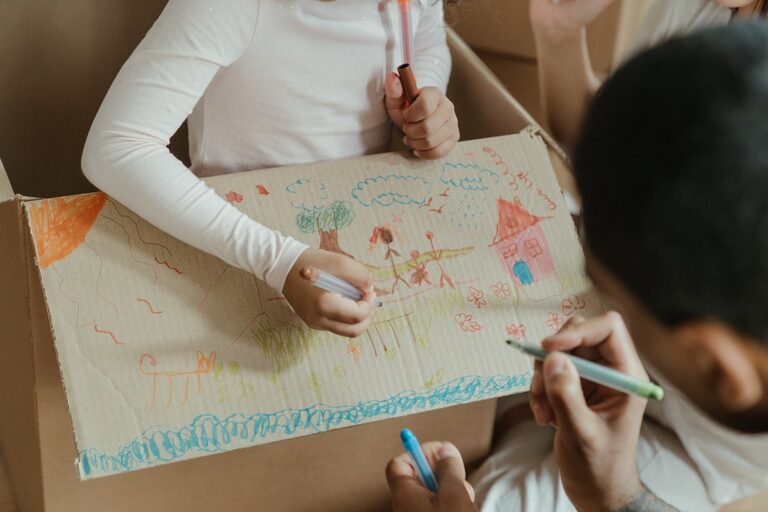
Children’s artwork is a wonderful expression of their creativity and imagination. From colorful paintings to intricate crafts, these creations tell stories and capture moments in your child’s growth. However, as the masterpieces pile up, it can quickly become overwhelming to keep everything neat and organized. Fortunately, with a few simple strategies, you can manage the influx of art while preserving those special memories.
Why Organizing Kids’ Art Matters
Keeping kids’ artwork organized isn’t just about tidiness. It helps:
– Preserve memories: Art is a snapshot of your child’s development and interests.
– Encourage creativity: When art supplies and finished works are well-managed, kids are motivated to create more.
– Reduce clutter: A dedicated system prevents papers and crafts from taking over your home.
– Make sharing easier: Organized art is simple to display or gift to family and friends.
Tips for Organizing Your Child’s Art
#### 1. Create a Dedicated Art Space
Set up an area in your home just for art storage and display. This could be a shelf, a cabinet, or a box where all artwork and supplies live. Having a designated spot makes it easy for kids to find what they need and for you to keep track of their creations.
#### 2. Use Portfolios or Binders
Portfolios designed for artwork are great for storing flat pieces like drawings and paintings. Use plastic sleeves inside binders to protect the art and keep everything visible. You can organize the binders by year, theme, or child if you have multiple young artists.
#### 3. Display Art Creatively
Showcasing your child’s art boosts their confidence and keeps your home lively. Here are some ideas:
– Clipboards: Hang clipboards on the wall for easy rotation.
– String and Clips: Stretch a string across a wall and use clothespins to hang art.
– Frames: Select a few favorite pieces to frame and change them out regularly.
#### 4. Digitize the Artwork
Taking photos or scanning artwork is an excellent way to save space while keeping a digital archive. You can create digital photo books or slideshows that your child will enjoy looking back on. This method also makes sharing with relatives easy, even from afar.
#### 5. Set Limits and Sort Regularly
It’s practical to decide how much art to keep. Involve your child in choosing their favorite pieces and explain that not everything needs to be saved forever. Regularly sort through the collection together, recycling or discarding older or less meaningful items.
#### 6. Repurpose Art into Gifts or Decorations
Turn artwork into gifts, greeting cards, bookmarks, or wrapping paper. This not only gives the art a second life but also teaches children about sharing their creativity with others.
#### 7. Use Storage Boxes for 3D Art
For crafts like clay models or dioramas, consider clear plastic containers or labeled boxes. Stackable boxes help save space and keep fragile creations safe.
Organizing Supplies Alongside Artwork
An organized art area is only as good as the supplies stored within it. Keep paints, crayons, markers, glue, and scissors in labeled containers or drawers. Teaching children to put materials back after use establishes good habits and maintains order.
Encouraging Kids to Participate
Make organization a fun activity. Let kids decorate their storage containers or choose where their artwork will be displayed. When children take ownership of the system, they are more likely to maintain it.
Final Thoughts
Keeping your child’s artwork organized is achievable with planning and simple tools. By creating systems that suit your home and your child’s style, you can cherish their creativity without the stress of clutter. Remember, the goal is to celebrate your child’s artistic journey in a way that brings joy to your whole family.