
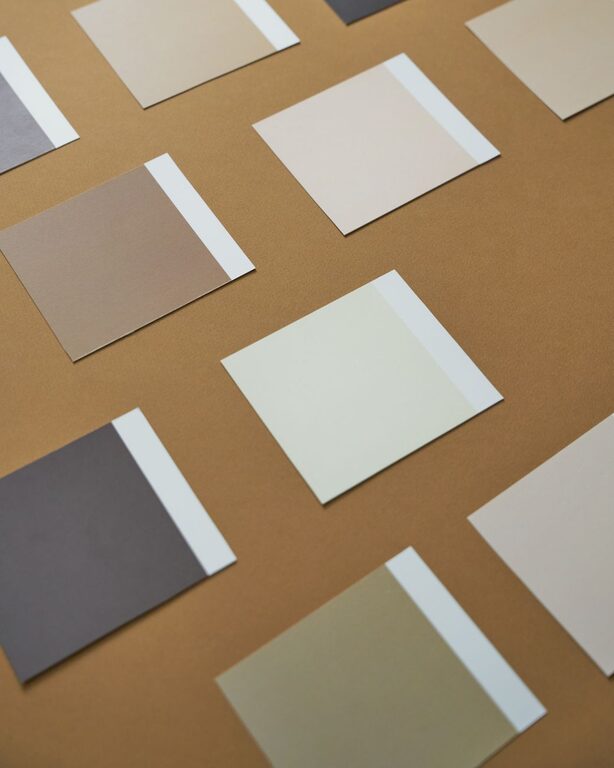
Creating a peaceful and inviting atmosphere in your home often starts with the colors you choose for your walls and décor. Calm colors can transform any space into a sanctuary where you can relax, recharge, and feel at ease. But with so many options available, selecting the right calm colors might seem overwhelming. This guide will help you understand how to choose soothing colors that complement your home and lifestyle.
Why Choose Calm Colors for Your Home?
Calm colors are typically soft, muted, and easy on the eyes. They help reduce stress, create a sense of balance, and make rooms feel more spacious and comfortable. Whether you want to turn your bedroom into a restful retreat or make your living room a peaceful gathering spot, calm colors play a vital role in setting the tone.
Understanding Color Psychology
Before picking colors, it’s helpful to understand how different hues affect mood:
– Blues: Often associated with tranquility and calmness, blue tones can lower heart rate and reduce anxiety.
– Greens: Reminiscent of nature, green promotes relaxation and refreshes the mind.
– Neutrals: Soft beiges, grays, and whites create a clean, serene backdrop that complements other colors.
– Lavenders and Soft Pastels: These delicate colors can soothe and uplift without overwhelming the senses.
Tips for Choosing Calm Colors
1. Consider Natural Light
The amount and type of natural light a room receives influence how colors appear. North-facing rooms get cooler light, so warm calm colors like soft beige or warm gray can balance the coolness. South-facing rooms are bright and warm, so cooler calm tones like pale blue or mint green work well.
2. Think About Room Purpose
Different rooms have different needs:
– Bedrooms: Soft blues, muted greens, and gentle lavenders promote rest and relaxation.
– Living rooms: Neutral tones with hints of calm colors create welcoming spaces for socializing.
– Bathrooms: Light blues and greens evoke freshness and cleanliness.
– Home offices: Soft, light grays and greens help maintain focus while keeping stress low.
3. Use Color Samples and Swatches
Always test paint samples on your walls before fully committing. Observe how the color looks at different times of the day and under artificial lighting. Colors can change significantly depending on these factors.
4. Create a Balanced Palette
For a calm effect, avoid overly bright or saturated colors. Instead, combine neutral bases with one or two soft accent colors. For example, use a light gray wall paired with soft blue accents in pillows or artwork.
5. Incorporate Texture and Materials
Color alone isn’t the only way to create calmness. Textures like soft fabrics, natural wood, and matte finishes add warmth and depth without being visually overwhelming.
6. Avoid Overuse of Dark Colors
While darker shades can feel cozy, too much dark color might make a space feel cramped or heavy. Use darker tones sparingly as accents or in small areas.
Popular Calm Color Combinations
Here are some tried-and-true calm color pairings to consider:
– Pale blue and soft gray
– Sage green and creamy beige
– Lavender and light taupe
– Dusty pink and warm white
How to Use Calm Colors Beyond Walls
Furniture and Accessories
Choose sofas, cushions, curtains, and rugs in calm hues to reinforce the soothing atmosphere without repainting.
Artwork and Decor
Select pieces featuring soft tones that complement your color scheme. Nature-inspired themes often pair well with calm palettes.
Lighting
Soft, warm lighting helps enhance the relaxing mood created by calm colors. Consider lampshades in light fabrics or dimmable bulbs.
Final Thoughts
Choosing calm colors for your home is an excellent way to create a restful and harmonious environment. Start by considering the natural light and purpose of each room, test samples carefully, and balance your color choices with neutral tones and textures. With these tips, you can design a home that feels peaceful and welcoming every day.
Remember: the best calm colors are those that make you feel comfortable and happy in your space. Take your time exploring options and enjoy the process of creating a sanctuary that truly reflects you.