
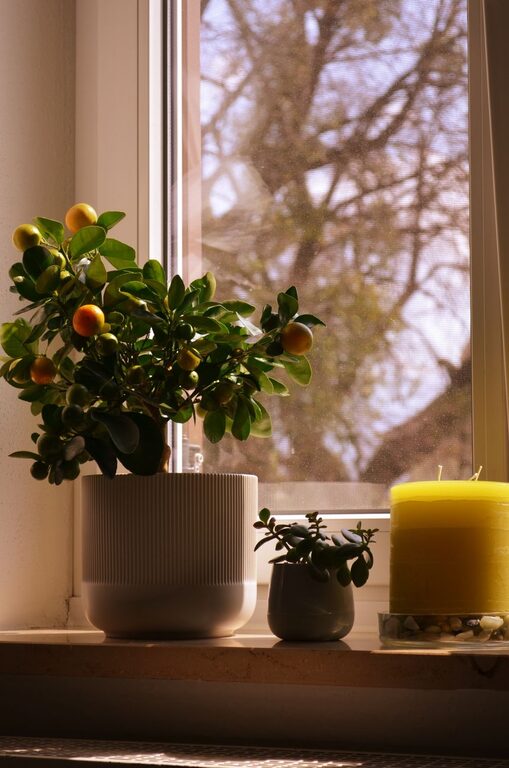
Bringing plants into your home is one of the easiest and most effective ways to refresh your living space. Not only do plants add a touch of natural beauty, but they also improve air quality and create a calming atmosphere. Whether you’re a seasoned plant parent or just starting out, this guide will help you incorporate greenery into your home in simple, enjoyable ways.
Why Add Plants to Your Home?
Plants do more than just look good. Here are a few reasons to consider adding them to your space:
– Boost your mood: Being around plants can reduce stress and increase feelings of well-being.
– Clean the air: Many houseplants help filter toxins, improving the air quality inside.
– Enhance décor: Plants add color, texture, and life to any room.
– Create a cozy atmosphere: Greenery makes spaces feel welcoming and peaceful.
With these benefits in mind, let’s explore how to refresh your home with plants.
Choosing the Right Plants for Your Space
Not all plants thrive in every environment. Consider the following factors before selecting plants:
Light Conditions
– Bright light: South-facing windows often offer the most light. Succulents, fiddle leaf figs, and snake plants do well here.
– Medium light: East or west-facing windows provide moderate light, suitable for pothos, spider plants, or peace lilies.
– Low light: North-facing windows or rooms with little natural light can still support plants like ZZ plants, philodendrons, or cast iron plants.
Maintenance Level
Be honest about how much time you want to dedicate to plant care:
– Low maintenance: Succulents, snake plants, and pothos need minimal watering and can tolerate neglect.
– Moderate: Peace lilies and spider plants require regular watering and occasional attention.
– High maintenance: Ferns and orchids may need more specific care routines.
Size & Placement
Think about where you want to place your plants:
– Small plants: Perfect for desks, shelves, or windowsills.
– Medium plants: Ideal for side tables or plant stands.
– Large plants: Use floor space for statement pieces like rubber plants or fiddle leaf figs.
Creative Ways to Refresh Your Home with Plants
Once you choose your plants, consider these ideas to incorporate them beautifully.
Create a Plant Corner
Designate a cozy corner for your plants. Use shelves or a tiered plant stand to display different sizes and types. This creates a mini indoor garden that becomes a focal point in the room.
Use Hanging Planters
Hanging planters are great for adding greenery without taking up floor or table space. Macrame hangers or modern ceramic pots can suit various décor styles. Choose trailing plants like pothos or string of pearls for a stunning cascading effect.
Mix Plants with Décor Items
Combine plants with books, candles, or art pieces on shelves or tables. This blends natural elements with your personal style for a balanced look.
Use Plants to Define Spaces
Large plants can help define different areas in an open floor plan. For example, a tall plant can separate your living room from the dining area while adding freshness.
Add Herbs in the Kitchen
Besides decorative plants, small herb pots like basil, mint, or rosemary are practical and bring wonderful aromas. Place them on a sunny windowsill or countertop.
Plant Care Tips for a Healthy Indoor Garden
Taking care of your plants ensures they stay vibrant and continue to enhance your home. Here are basic care tips:
Watering
– Check soil moisture before watering; overwatering is a common mistake.
– Water when the top inch of soil feels dry for most houseplants.
– Use pots with drainage holes to prevent water buildup.
Light
– Rotate plants regularly so all sides get sunlight.
– If natural light is limited, consider grow lights to supplement.
Humidity and Temperature
– Most houseplants enjoy temperatures between 65–75°F.
– Increase humidity with a humidifier or by placing plants on a tray with water and pebbles.
Fertilizing
– Feed plants with a balanced liquid fertilizer every 4–6 weeks during growing seasons (spring and summer).
Cleaning
– Dust leaves gently with a damp cloth to keep plants healthy and looking fresh.
Troubleshooting Common Issues
If your plants look unhappy, here are some common problems and solutions:
– Yellow leaves: Usually caused by overwatering or poor drainage.
– Drooping leaves: May indicate underwatering or too much direct sun.
– Brown edges: Often due to low humidity or drafty locations.
– Pests: Look for tiny bugs and treat with insecticidal soap if needed.
Final Thoughts
Refreshing your home with plants is a rewarding way to bring beauty and life into your living space. Start with a few easy-to-care-for plants and experiment with creative displays that suit your style. With a little attention and love, your plants will thrive and create a peaceful, vibrant environment you’ll enjoy every day.
Happy planting!